Manual Calorie Tracking Was Broken
Gym members were either skipping nutrition tracking entirely or giving up within days because searching for every food item manually was too time-consuming.
Case Study
Instant Nutrition Tracking — Just Snap a Photo of Your Meal
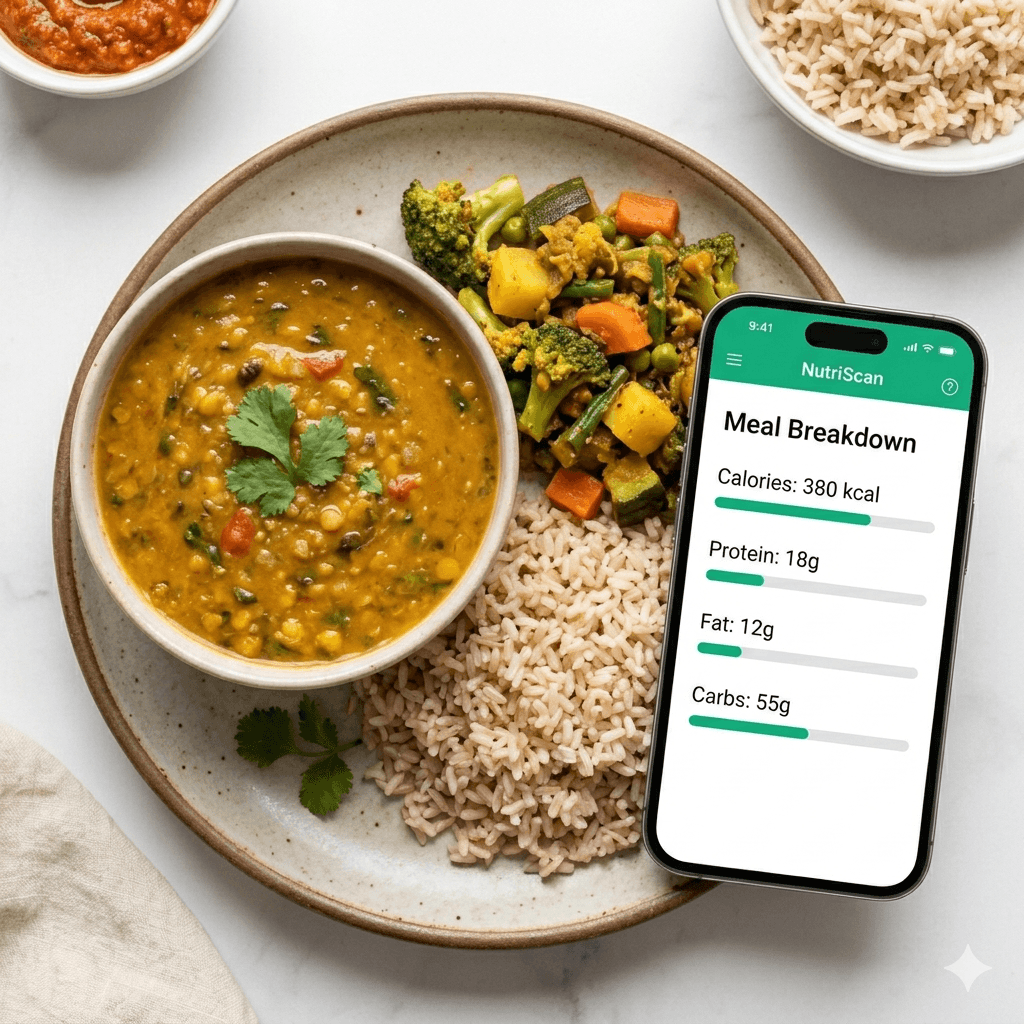
NutriScan is an AI-powered food recognition and nutrition tracking feature built for a gym application. It allows members to photograph any meal and instantly receive a full nutritional breakdown — calories, protein, fat, and carbohydrates — without any manual input. Built on a Django + React Native stack with cutting-edge computer vision models, it removes the biggest friction in fitness nutrition: data entry.
Industry
Health & Wellness
Services
AI/ML Integration, Mobile App Development
Business Type
Gym & Fitness Applications
Technologies
React Native · Django · Python · PostgreSQL · YOLOv8 · SAM2 · Vision Transformer · Depth Anything V2 · Redis · AWS S3
Gym members were either skipping nutrition tracking entirely or giving up within days because searching for every food item manually was too time-consuming.
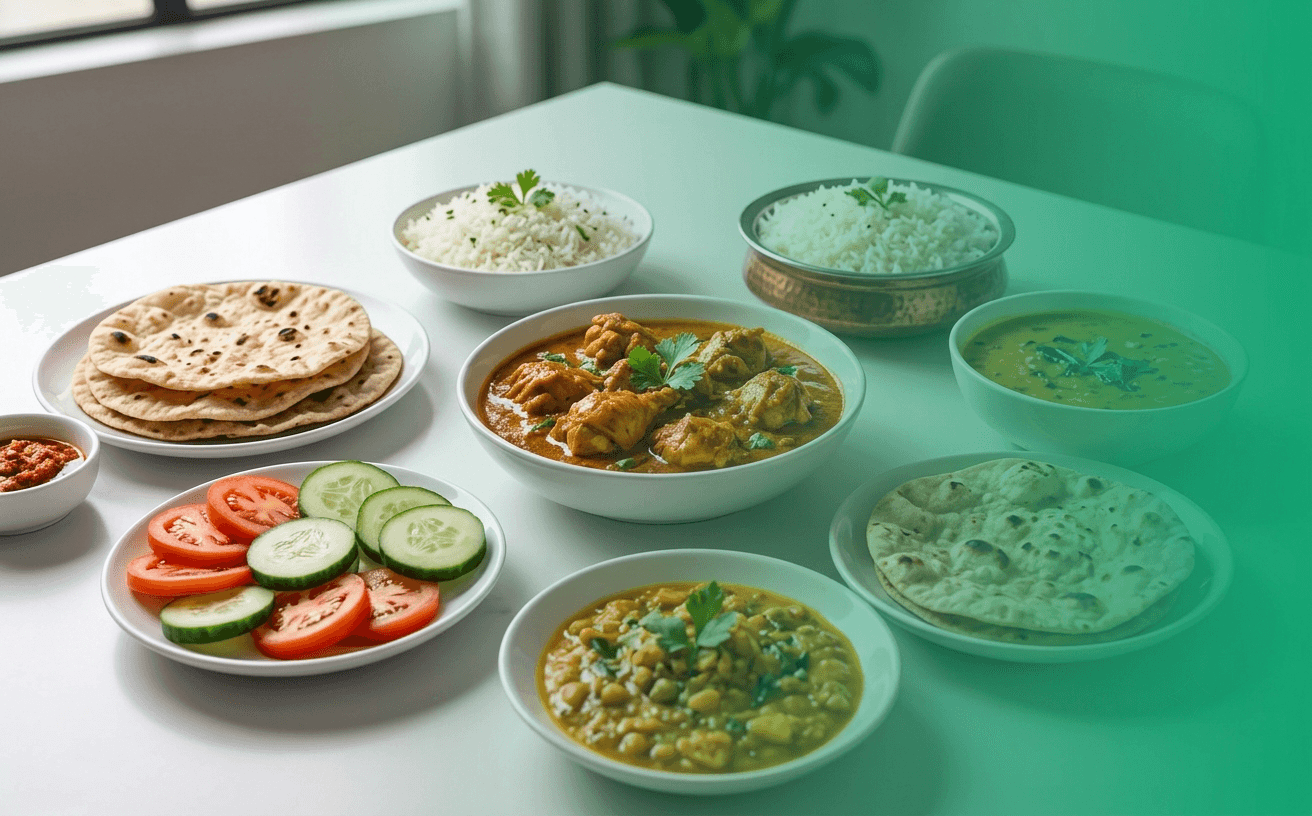
NutriScan is specifically designed for Indian cuisine, using a dedicated dataset of Indian and regional foods to provide more accurate food recognition, portion estimation, and nutritional analysis.
Even when members tracked food, portion sizes were guessed rather than estimated — making calorie counts unreliable and frustrating.
Members had to use a completely separate app for food logging, creating a fragmented experience that hurt engagement and retention.
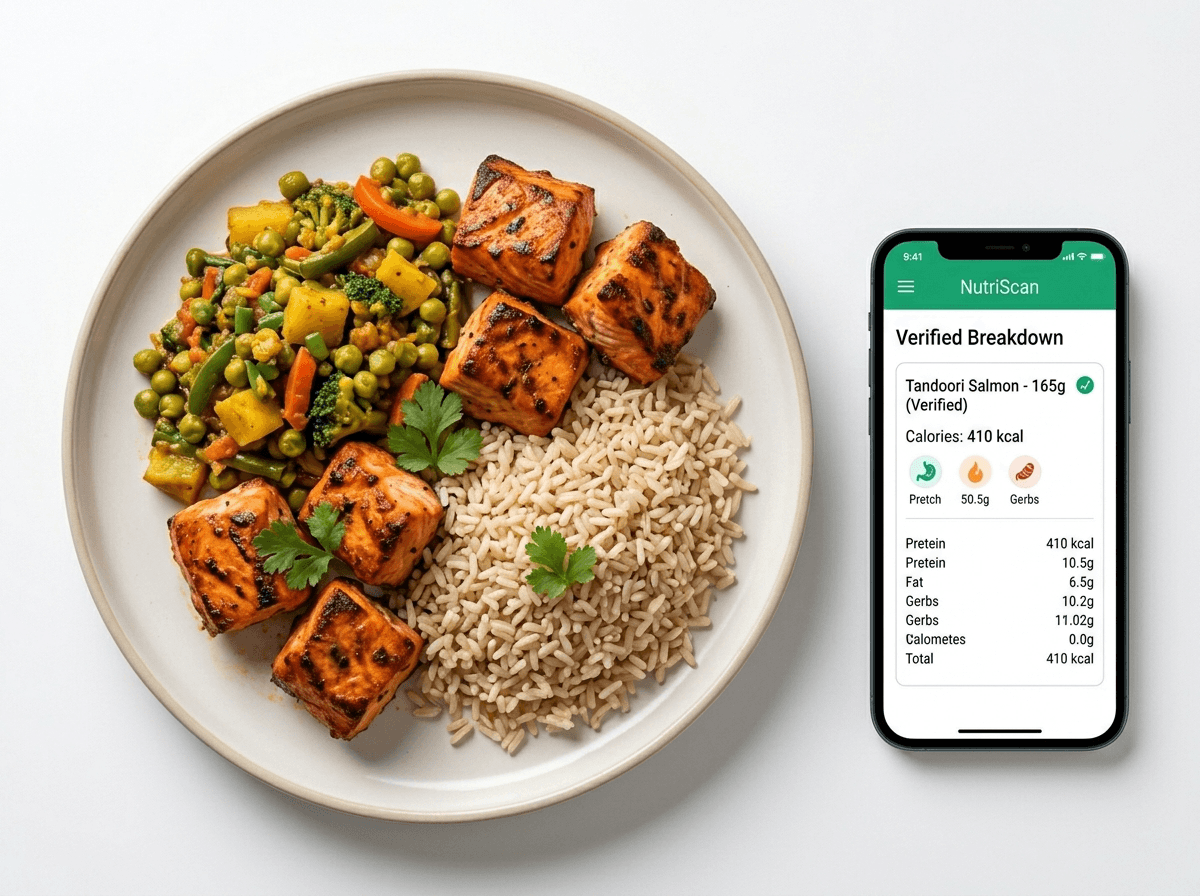
Members photograph their meal and AI instantly identifies every food item on the plate — no typing or searching required.
A single photo of a full plate (e.g. rice + dal + roti) is analysed item by item, with each food calculated separately and totalled.
Computer vision models estimate the size and weight of each food item from the image, removing the need for kitchen scales or manual guessing.
Calories, protein, fat, and carbohydrates are displayed within seconds, sourced from a verified nutrition database including Indian regional foods.
Members can ask natural language questions like 'Is this meal healthy?' or 'How much protein have I had today?' and receive personalised answers.
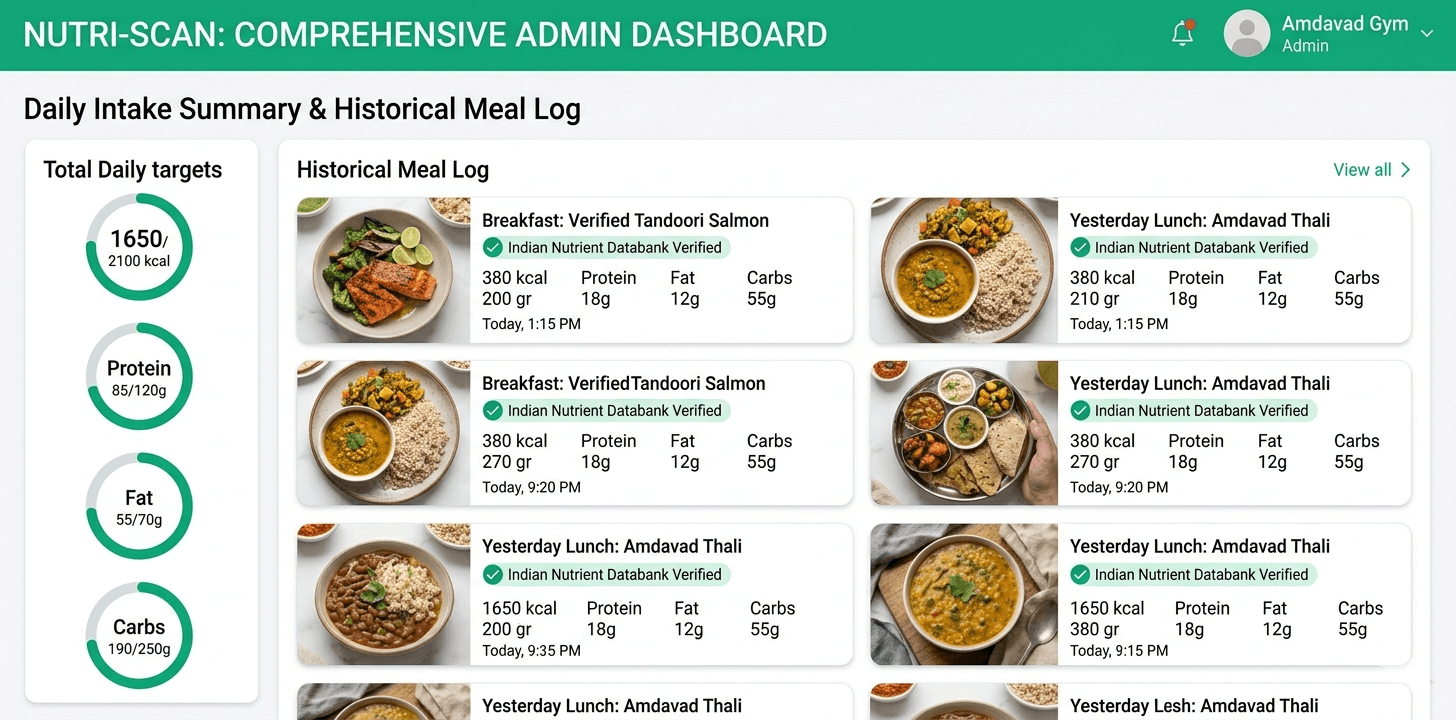
A clean dashboard shows total daily intake, macro breakdown, and a history of past meals to help members spot patterns over time.
YOLOv8 detects food items, SAM2 segments each item at pixel level, and a Vision Transformer classifies the exact food variety — all in one seamless pipeline.
Depth Anything V2 generates a depth map from the photo to estimate food volume, which is then converted to weight using food density data — no hardware needed.
Nutritional values are fetched from the indian-nutrient-databank, extended with a custom database covering Indian and regional foods not available in standard sources.
An LLM-powered chat assistant answers member questions about their meal, daily intake, and diet goals in plain, friendly language.
Built in React Native for a fast, native feel on both iOS and Android — integrated directly into the existing gym app without requiring members to download anything new.
A Django REST API with Celery task queues and Redis caching handles asynchronous AI model processing, keeping response times under 5 seconds even at scale.
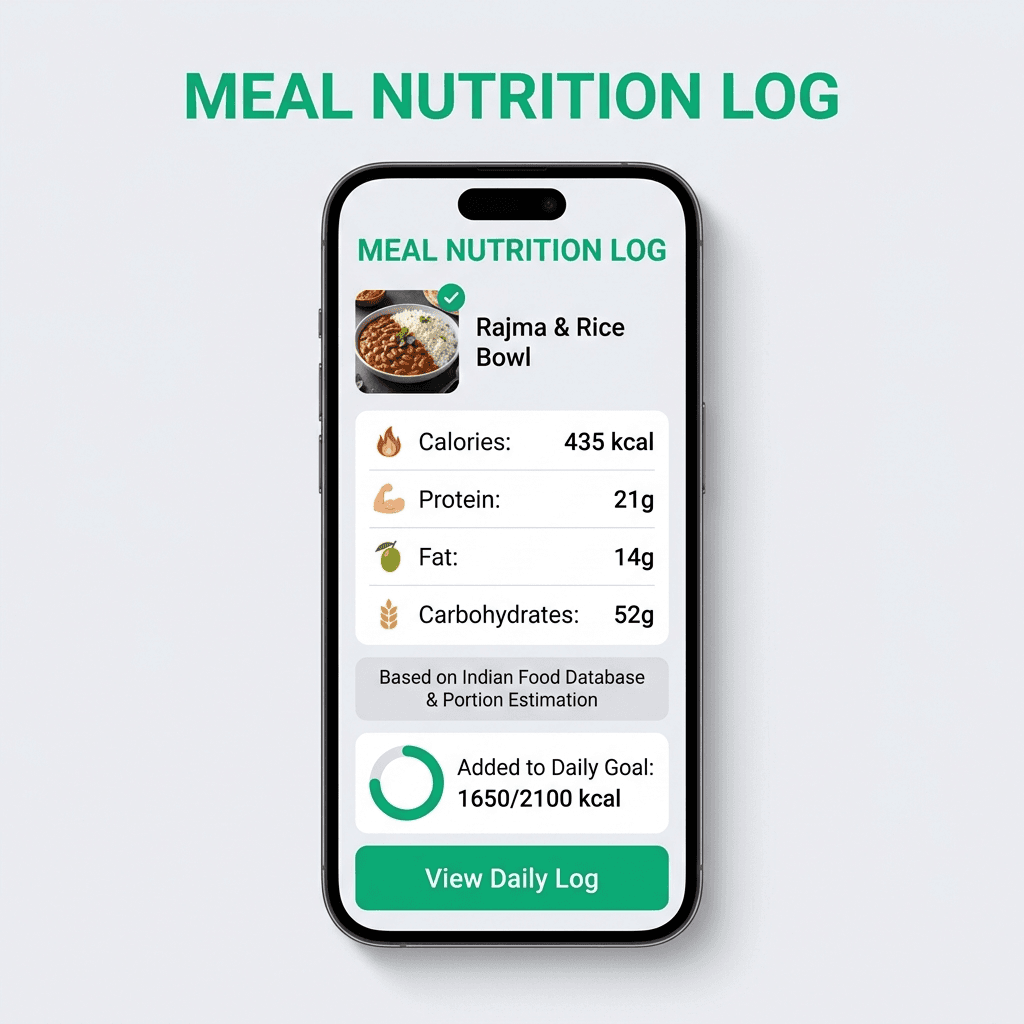
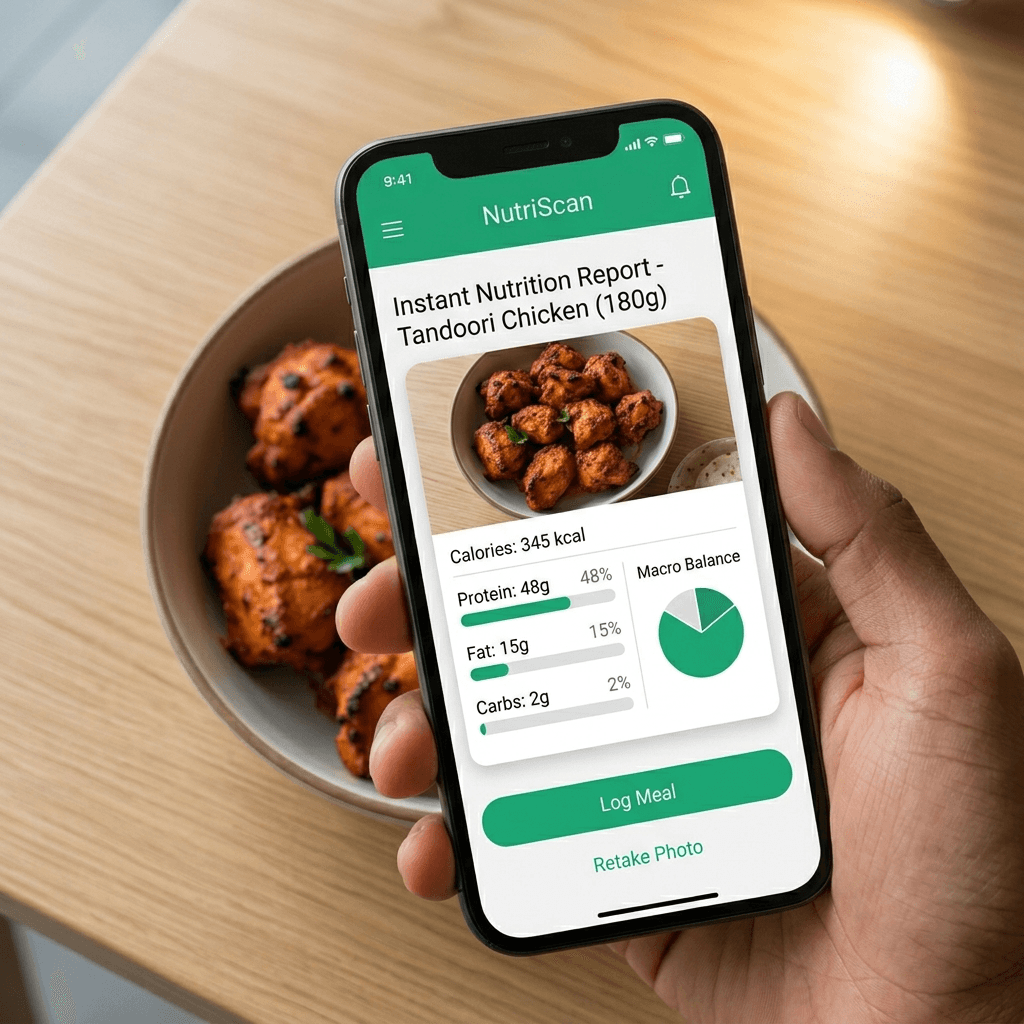
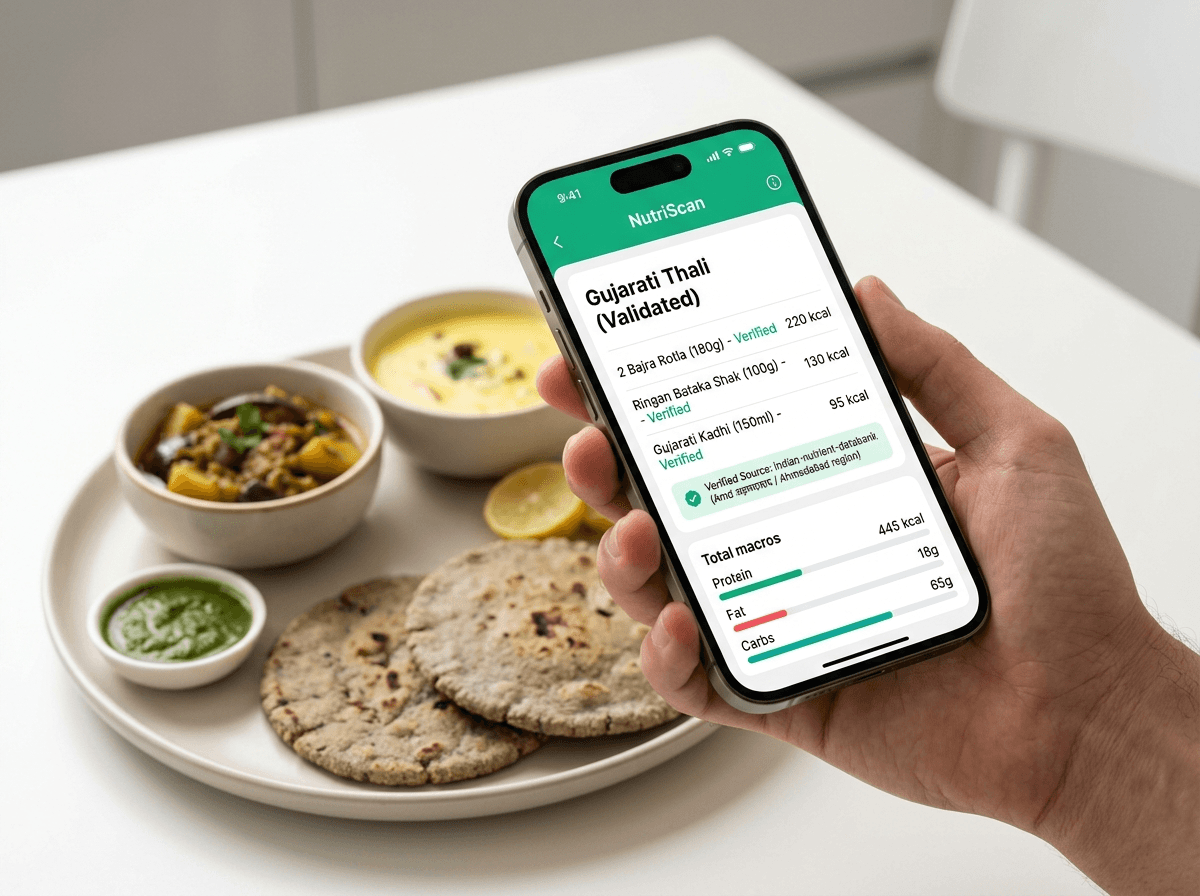
Turning a single photo into a complete nutrition report — so gym members can focus on training, not calorie counting.
NutriScan transformed how gym members interact with nutrition inside the app. Meal logging time dropped from several minutes to under 10 seconds. Members gained access to accurate calorie data for Indian and regional foods for the first time. Daily nutrition tracking engagement increased significantly, and the AI coach feature became one of the highest-rated additions in user feedback. The gym client now has a meaningful differentiator that keeps members active and engaged within their platform.
Define objectives and vision with detailed requirement gathering, brainstorming, and timelines.
Wireframing, UI design, and interactive prototypes to visualize the product and gather stakeholder feedback.
Build scalable, robust software using modern technologies and engineering best practices.
Functional, performance, and user acceptance testing across environments before launch.
Smooth production rollout with post-deployment monitoring and iterative improvements.
